
Poisoned Packages: What the LiteLLM Attack Teaches Every Python and AI Developer
 Oct 25, 2026
•
 NodeToLearn Expert
What Happened?
According to LiteLLM's own incident report, as covered by The Hacker News and security researchers, attackers compromised the project's release pipeline on 21 October 2026 and published LiteLLM version 1.107.0 with malware that steals credentials and can load tools for running remote code. The reported window on PyPI was roughly 11:39 to 13:23 UTC that day, and certain Docker image tags were also affected for a short period.
LiteLLM said the incident was contained and that earlier versions were safe. Its guidance for anyone who installed the bad version was to treat the system as compromised, rebuild the environment, return to a known good version (1.106.2) and rotate any exposed secrets. Reports say the attacker used stolen developer credentials to change the release workflow.
News roundups also report that India's CERT-In issued an advisory on 23 October about this compromise, noting that exposure depends on the installed version and how it was deployed. It does not mean every LiteLLM installation was affected.
What Is a Software Supply-Chain Attack?
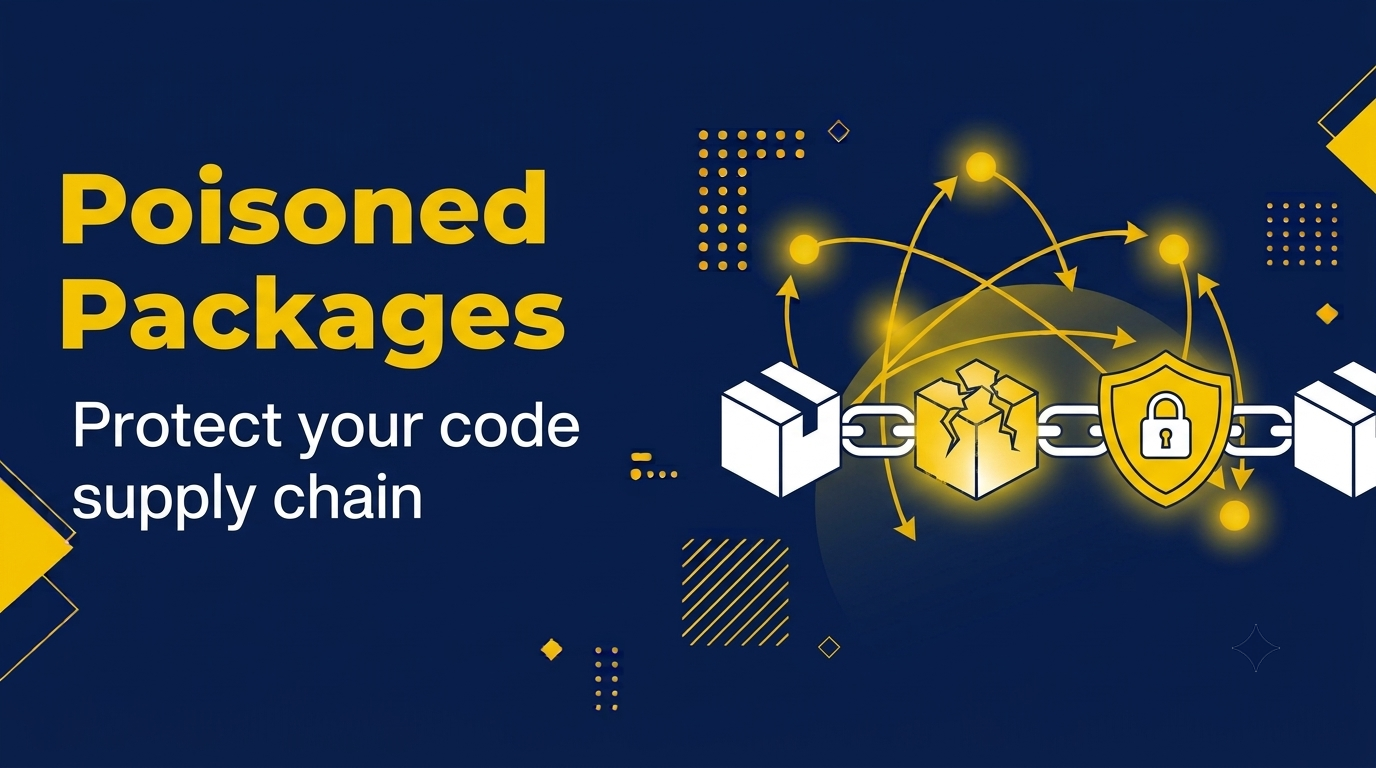
Modern apps are built from many ready-made packages (libraries). When you run pip install or npm install, you also trust the people who publish that package, the systems that build it and every package it depends on. In a supply-chain attack, criminals target that trust instead of attacking you directly. One poisoned release can reach thousands of developers.
Why This Matters if You Use AI Coding Tools
AI coding assistants and "vibe coding" tools make it quick to add libraries to a project. They may suggest a package or version without checking whether it is safe or current. Speed is useful, but you remain responsible for what runs on your machine and your servers.
7 Habits to Reduce Supply-Chain Risk
- Pin versions. Use exact versions and a lock file so an unexpected new release does not install automatically.
- Do not upgrade blindly. Read release notes, wait for the community to check brand-new releases, and test in a safe environment first.
- Review what you add. Check the package name carefully (lookalike names are a trick), its maintainers and how widely it is used.
- Keep secrets out of code and laptops where possible. Use environment variables or a secrets manager, and give each key only the access it needs.
- Use separate environments. Virtual environments and containers limit what a bad package can reach.
- Scan and monitor. Use dependency scanners and alerts, and keep a list of what your project uses.
- Know your response plan. If a package you use is reported compromised: isolate, rebuild from trusted sources and rotate keys.
Skills That Cover This
Python and AI/ML
Understand how packages, environments and dependencies work, not just how to call a library.
AI-assisted full-stack development
Learn to use AI coding tools productively while reviewing and securing the code they produce.
Cloud DevOps with AI Automation
Containers, pipelines and secrets handling are exactly where supply-chain issues show up.
Cybersecurity & Networking
Learn how attackers think and how defenders detect and respond.
Learn It Hands-On at NodeToLearn
- 1-on-1 mentorship across Python, AI, DevOps and Cybersecurity.
- Project work so you practise building and securing real applications.
- Free 3-day demo before enrollment.
- Job assistance: resume help, mock interviews and referrals. This is a process, not a guarantee of placement.
NodeToLearn is ISO 21001:2018 certified and government-registered, in Nanpura, Surat. Call +91 81605 29351 or visit nodetolearn.com/contact for the address and timings.
Frequently Asked Questions
What is a supply-chain attack in simple words?+
It is an attack that targets the tools or packages you trust, instead of attacking you directly. If a trusted package is poisoned, everyone who installs it can be affected.
Does this mean I should stop using open-source packages?+
No. Open-source is essential to modern software. The goal is to use it carefully: pin versions, review what you add and protect your secrets.
What should I do if I installed the affected LiteLLM version?+
Follow LiteLLM's official incident report and CERT-In guidance. In general, that means isolating the system, rebuilding from trusted sources and rotating any keys that may have been exposed.
What is a virtual environment in Python?+
It is an isolated space for one project's packages, so installing something there does not affect the rest of your computer or other projects.
Which course should I learn for a security-aware development career?+
Python or web development first, then Cloud DevOps and Cybersecurity & Networking. A demo class can help you decide.
Can I try a class before enrolling at NodeToLearn?+
Yes. Book the free 3-day demo at nodetolearn.com/contact or call +91 81605 29351.
Book your free 3-day demo at NodeToLearn Computer Education, Nanpura, Surat
1-on-1 mentorship, job-oriented courses and job assistance support. Try before you enrol.
Book Free Demo


Frequently Asked Questions
Got questions? We've got answers. Explore everything you need to know about starting your tech career with NodeToLearn.
Still have questions?
Contact Our Team